NorthHill Kids Code

Sign in

Create account

Quick navigation

northhill.top данные слова
Mission-driven Play + Rigor Ages 6–16

We help children think like creators, not just users

Our courses blend storytelling, projects, and computational thinking so kids build confidence and skill — safely, joyfully, and with real-world results.

Our Approach
This page shares our mission, pedagogy, values, curriculum structure, and educator standards.
Panoramic photo of children coding in a colorful classroom with a mentor guiding them on laptops
Safe, age-appropriate pathways
Mission & Values

We exist to unlock curiosity and persistence. Children learn best when concepts are tangible, feedback is immediate, and challenges scale with skill. Our values shape every lesson and interaction.

Mission

Empower every child to build with code — to analyze, design, and express ideas responsibly.

Confidence first Real projects Kind feedback
Our Approach

Build concepts through play, then deepen with structure. We spiral topics across stages to reinforce and extend learning.

Story-led tasks Pair & solo work Visible progress
Values

Safety, inclusion, curiosity, and perseverance. We celebrate mistakes as data and progress as a habit.

Online safety Inclusive groups Growth mindset
Curriculum Structure

Our spiral structure revisits core ideas at increasing levels of sophistication. Each stage contains projects and checkpoints to demonstrate competency.

Stage A — Playful Foundations (ages 6–8) 6 weeks
Outcomes
  • Sequencing, events, loops with visual blocks
  • Debugging with simple heuristics
  • Creative expression through sprites and stories
Projects
  • Interactive storybook
  • Mini arcade game
Stage B — Makers & Logic (ages 8–11) 8 weeks
Outcomes
  • Variables, conditionals, functions
  • Modeling system state with diagrams
  • Planning with pseudo-code
Projects
  • Top-down puzzle game
  • Animated science explainer
Stage C — Web & Data (ages 11–14) 10 weeks
Outcomes
  • HTML/CSS/JS basics, components
  • Data structures and APIs (safe-sandboxed)
  • Accessibility and ethical design
Projects
  • Personal website
  • Data dashboard with charts
Stage D — Product Studio (ages 13–16) 12 weeks
Outcomes
  • Full-stack concepts and teamwork
  • Testing, versioning, code reviews
  • Presenting and iterating from feedback
Projects
  • Team-built app or game
  • Capstone showcase
No ads. No social media sign-ins. Parent dashboards coming soon
Educator Standards

Safety & safeguarding

All educators pass background checks, use child-safe tools, and follow clear escalation protocols. We maintain transparent parent communication.

Pedagogical excellence

We train instructors in age-appropriate scaffolding, universal design for learning, and formative assessment with rubrics.

Community & inclusion

Every learner belongs. We set norms, model respectful collaboration, and adapt for diverse needs and learning speeds.
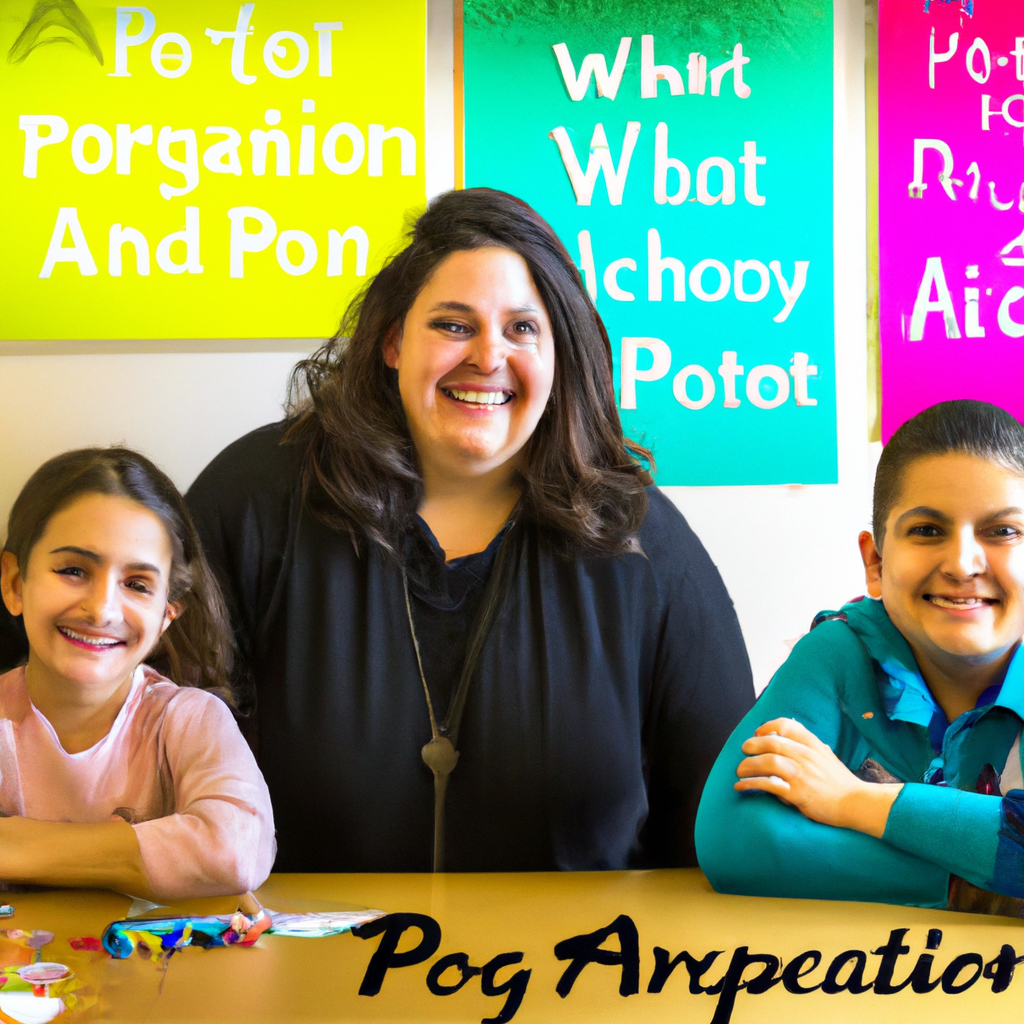
Inclusive coding classroom with teacher assisting children collaboratively
What families can expect
  • Weekly progress snapshots and clear goals
  • Positive, specific feedback tied to rubrics
  • Opportunities to showcase projects each stage
Small groups Live mentors Project portfolios
Next Intro Class starts in

We open new cohorts on the first business day of the month at 16:00. Seats are limited.

0
Days
0
Hours
0
Minutes
0
Seconds
Target date:
Ask us anything
Please enter at least 2 characters.
Please enter a valid email address.
Please enter a valid phone number or leave empty.
Please choose an age between 6 and 16.
Please write at least 10 characters.
Thanks! Your message has been received. We will reply within 1 business day.
By submitting, you agree to our cookie preferences for basic site functionality.
Learning Principles — Glossary
Active Retrieval
Practice recalling information without prompts to strengthen memory pathways. We use quick, friendly quizzes and recap games.
Block-based Coding
Visual programming using draggable blocks that snap together. Ideal for introducing logic without syntax errors.
Cognitive Load
The mental effort required to learn. We reduce extraneous load with clear UI, chunked tasks, and worked examples.
Debugging
A systematic process for finding and fixing issues. Children learn to hypothesize, test, and document fixes.
Formative Assessment
Low-stakes checks for understanding to guide next steps. We use rubrics and quick demos rather than grades.
Scaffolding
Providing structure that gradually fades as learners gain independence. Examples: hints, templates, starter code.
UDL (Universal Design for Learning)
An approach that offers multiple means of engagement, representation, and action to support diverse learners.
Spiral Curriculum
Revisiting topics over time at increasing complexity. Reinforces memory and connects concepts across projects.
Zone of Proximal Development
The sweet spot where tasks are challenging but achievable with guidance — where growth happens.
Cookie Preferences
Strictly necessary

Required for core functionality like theme and session. Always on.

Analytics (anonymous)

Helps us improve lessons and navigation. No ads, no cross-site tracking.

We use cookies

We use strictly necessary cookies to remember preferences and keep the site secure. Optional analytics help us improve. No ads.